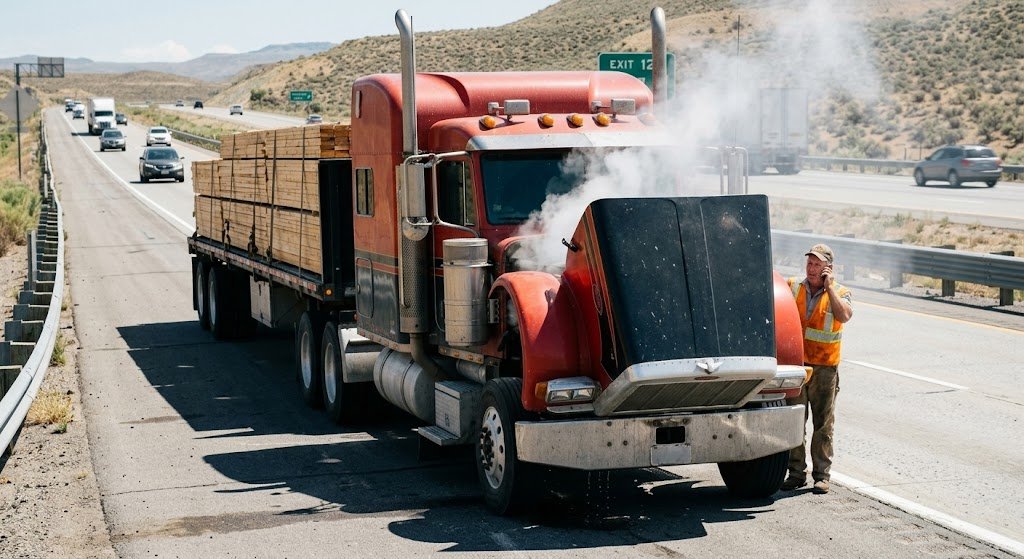

Your semi-truck is the most important tool for your job. And just like any important tool, it needs to be taken care of to work properly. Waiting for something to break is an expensive way to run your business. A single breakdown can cost you thousands in repairs, towing, and lost work.
The secret to keeping your truck running smoothly isn’t waiting for something to break. It’s about taking care of it before problems start. This is called preventive maintenance.
This guide is a simple semi truck preventive maintenance checklist that will help keep you on the road, save you money, and make driving much safer and less stressful.
Why Checking Your Truck Is a Smart Idea
Spending a few minutes checking your truck every day might seem like a chore, but it pays off in big ways.
- Keeps You Earning: A truck that’s running is a truck that’s making money. Finding a small issue early means a quick, cheap fix. Ignoring it can lead to a huge repair that takes your truck off the road for days.
- Makes the Road Safer: Your truck is huge. Working brakes, good tires, and bright lights are incredibly important for keeping you and everyone else on the road safe.
- Saves You a Ton of Money: Which would you rather pay for? A $10 bottle of coolant to fix a small leak, or a $20,000 new engine because the old one overheated? Regular check-ups help you avoid big repair bills and control your semi truck maintenance costs.
- Helps You Pass Inspections: Sometimes, officials will ask you to pull over for a roadside inspection. If your truck is in great shape, you’ll pass with flying colors and be on your way. If not, you could face fines or be told you can’t drive until it’s fixed.
ALSO READ: Why Is My Truck Overheating? Common Causes Explained
The Easy Semi Truck Maintenance Checklist
Don’t let the size of the truck scare you. We’ve broken down the checks into easy steps: daily, weekly, monthly, and a few times a year.
Every Day: Before You Start and After You Finish
This 5-minute check is your best friend. Do it every single day.
- Check the Truck’s Fluids: Look under the truck for any puddles. Check the levels of the engine oil, coolant (the colorful liquid that keeps the engine from getting too hot), and windshield washer fluid.
- Look at the Tires: Make sure the tires have enough air. Look for any cuts or bumps. Kick the tires to feel if they are firm and check that all the big nuts holding the wheel on are tight.
- Test the Brakes: When you start the truck, make sure the air pressure builds up correctly. Listen for any hissing air leaks. Gently press the brakes to make sure they feel right before you pull out.
- Check All Lights: Turn on your headlights, high beams, turn signals, and emergency flashers. Ask someone to help you check the brake lights in the back. Make sure all your shiny reflector tape is clean.
- Check the Trailer Connection: If you’re pulling a trailer, make sure the “fifth wheel” (the big plate that connects them) is greased and locked securely.
Every Week: A Quick Weekend Check-Up
Once a week, take a few extra minutes to look a little closer.
- Battery Health: Look at the truck’s battery. Is there any fuzzy green or white stuff on the connections? If so, clean it off with a wire brush so the truck starts easily.
- Belts and Hoses: Pop the hood and look at the black rubber belts and hoses. Do you see any cracks or bulges?
- Wipers and Glass: Check your windshield for any new chips or cracks that could spread. Make sure your wipers work well and top off the washer fluid.
- Clean Your Cab: A clean workspace is a safe workspace. Tidy up the inside of your cab so nothing can distract you or get stuck under your pedals.
Every Month: Or Based on Miles
These are the bigger health checks. You’ll want to look at your truck’s manual to see the exact miles, but this is a good general guide.
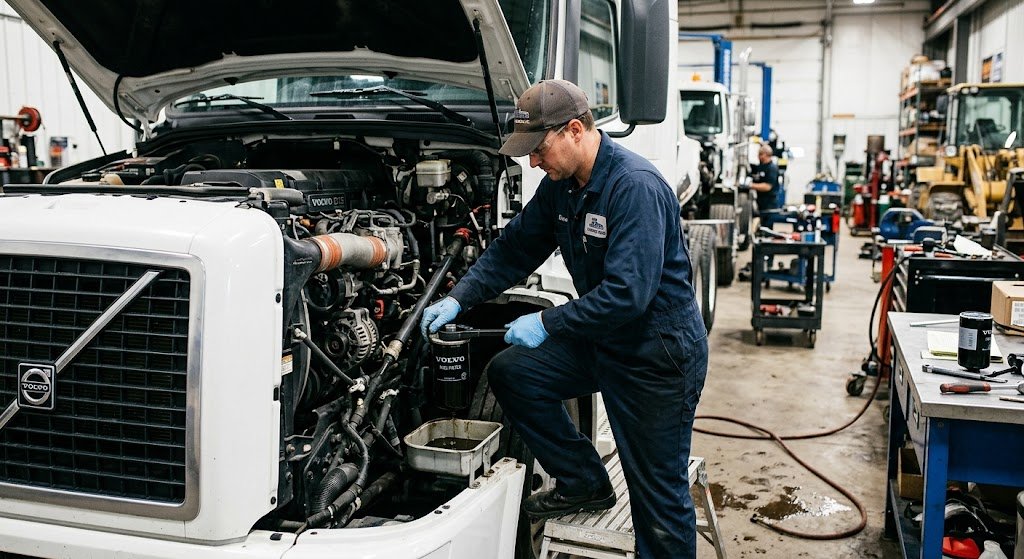
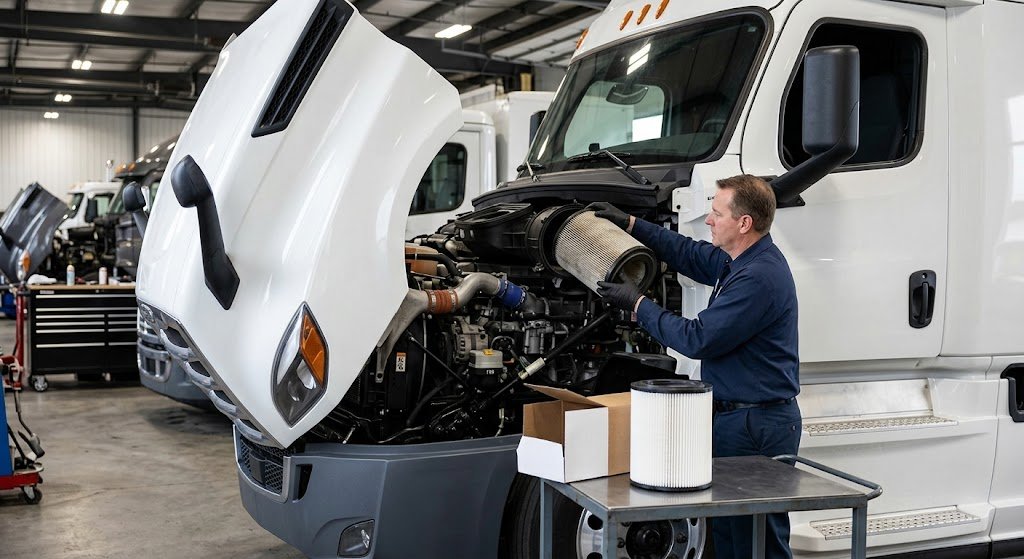
- Oil and Filter Change: Just like in a car, the truck’s engine needs clean oil to run well. Change the oil and the filters (oil filter, fuel filter) regularly.
- Grease Everything: Your truck has lots of moving parts underneath that need grease to move smoothly. This is called lubricating the chassis.
- Exhaust System: Look at the exhaust pipes for any holes or black soot marks, which could mean there’s a leak.
A Few Times a Year: Seasonal Checks
These checks get your truck ready for the long haul and for changing weather.
- Full Brake Check: This is more than the daily test. It’s time to have a mechanic look closely at the brake pads and drums to see how worn they are.
- Cooling System: Before winter, make sure your coolant (antifreeze) is strong enough to handle freezing temperatures.
- Heater and A/C: Test your heater before it gets cold and your air conditioning before it gets hot. A comfortable driver is a safe driver.
- Wheel Alignment: Does the truck pull to one side when you’re driving straight? It might need an alignment. This helps your tires last longer and saves fuel.
You Don’t Have to Do It All Yourself
This semi truck maintenance checklist is your guide, but you’re not alone. For the bigger monthly jobs or for those times when something breaks on the road, it’s great to have a helper you can trust.
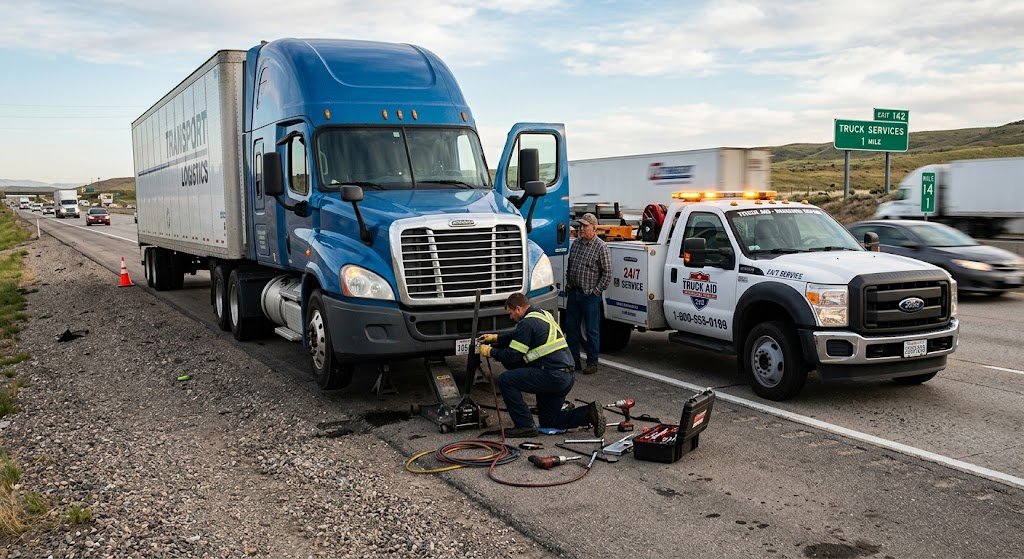
At Truck N Trailer Roadside, we are here to help you keep your truck moving. Our friendly mechanics can come to you, whether you need help on the side of the highway or want to schedule a check-up. We handle everything on this list and more, so you can focus on driving. Keep your truck healthy and your business moving in 2026. Check out our truck and trailer services or give us a call at 614-423-6164 when you need a hand!
FAQs
How often does a semi-truck need a big check-up?
Think of it like a visit to the doctor. A truck should get a full, deep inspection every 3 to 6 months. Your truck’s manual will have the best advice.
What is the most common thing that breaks on a semi-truck?
Tires.Just like a bicycle, big trucks get flat tires and blowouts more than anything else. After tires, problems with brakes and the truck’s electrical system (like batteries and lights) are also very common.
How can I spend less money on truck repairs?
The best way is to follow your maintenance checklist. Catching a small problem early is always, always cheaper than fixing a giant problem later. Teaching drivers to do good daily checks is a huge money-saver.
Do I really have to do a check every day?
Yes. Drivers must do a pre-trip inspection before driving to make sure the truck is safe. It keeps everyone safe.
How much does semi truck maintenance cost per year?
Annual semi truck maintenance costs typically range from $15,000 to $25,000, depending on mileage, driving conditions, and how well preventive maintenance is followed.
What is the most common mechanical failure in semi trucks?
Tire failures are the most common issue, followed by brake problems, battery failures, and electrical system issues like lights and wiring.
How can I reduce semi truck maintenance costs?
You can reduce costs by following a preventive maintenance checklist, fixing small issues early, keeping tires properly inflated, and training drivers on daily inspections.
How many miles can a semi truck run before major repairs?
With proper maintenance, many semi trucks can run 750,000 to 1 million miles before requiring major engine or transmission repairs.
What happens if a semi truck fails a DOT inspection?
If a truck fails a DOT inspection, it may be placed out of service, fined, or required to fix issues immediately before continuing to drive.
What fluids should be checked daily on a semi truck?
Drivers should check engine oil, coolant, brake air pressure, power steering fluid, windshield washer fluid, and look for leaks under the truck.
Is roadside maintenance part of preventive truck care?
Yes. Having a reliable roadside service like Truck N Trailer Roadside helps quickly fix unexpected issues and prevents small problems from turning into costly repairs.