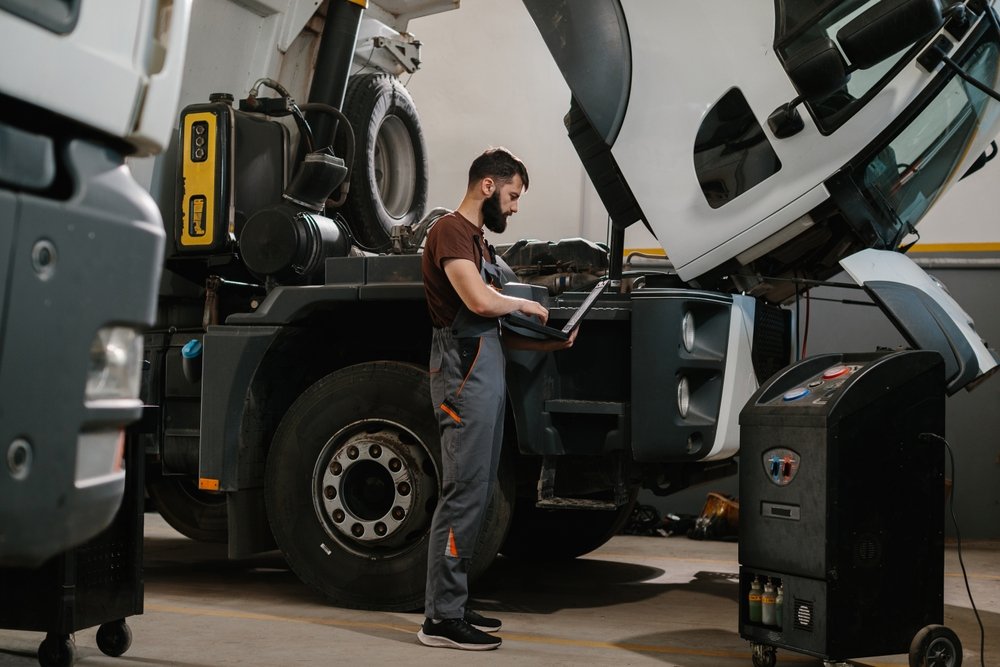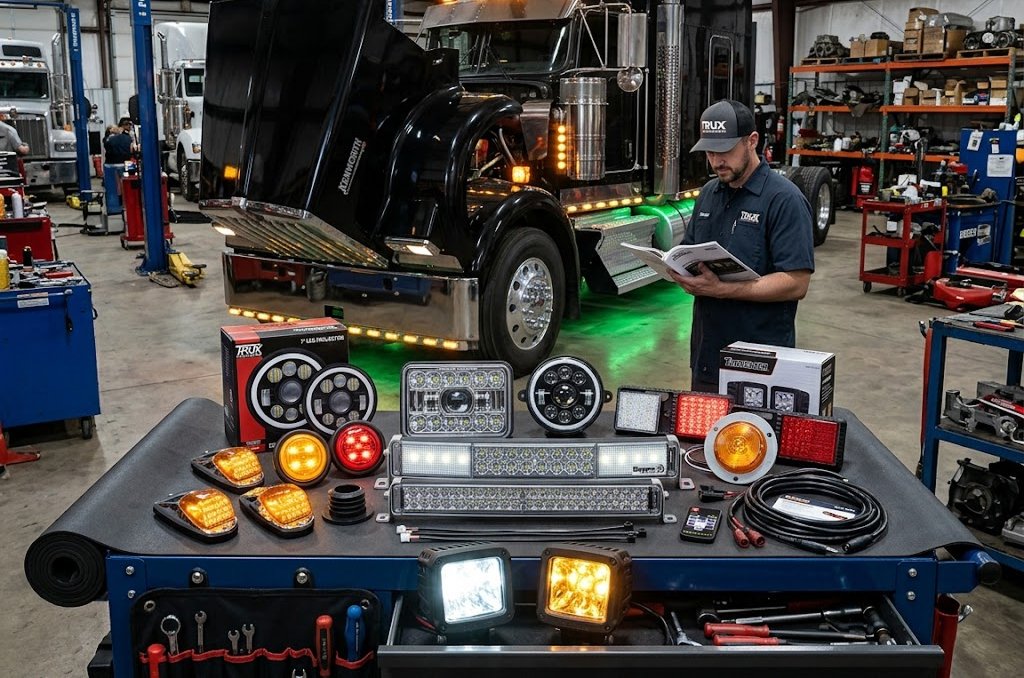
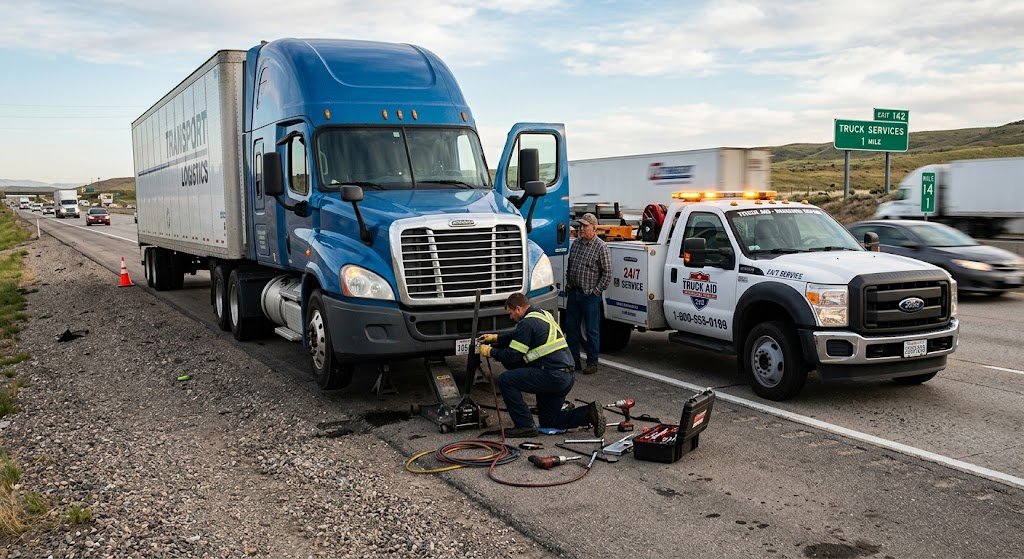
A truck breaks down on I-75 at 2 AM. No cell service for miles. The next delivery was due six hours ago.
That’s the reality for thousands of truck drivers every week. And the numbers are brutal: every hour your truck sits idle costs $400 to $700 in lost revenue, not counting penalties, delayed shipments, and angry customers.
The old solution? Call a tow truck. Wait 2 to 4 hours. Get towed 50+ miles to the nearest shop. Wait another 24 hours for repairs. Total damage: $2,000 to $5,000 in direct costs alone.
The new solution? Roadside service for semi trucks.
Companies like Truck N Trailer Roadside dispatch certified mobile mechanics to your location when breakdowns occur. No towing. No waiting. Repairs happen on the spot, and you’re back rolling in minutes, not days.
This guide breaks down everything you need to know about 24/7 roadside assistance, why it’s non-negotiable in 2026, and how to choose the right provider.
What is Roadside Service for Semi Trucks?
Roadside service for semi trucks is on-site emergency repair and assistance delivered directly to your vehicle, wherever it breaks down. Think of it as a mobile repair shop that comes to you.
Who needs it?
- Owner-operators running solo or small fleets
- Fleet managers protecting their asset base
- Independent drivers who can’t afford downtime
- Dispatchers managing tight delivery schedules
What does it include?
A comprehensive roadside service handles the breakdowns that strand you:
Tires & Wheels: Flat tire repairs, blowout replacements, tire balancing, and emergency tire swaps, so you’re not stuck waiting for a tow.
Engine & Fuel Systems: Fault code diagnostics, fuel delivery to empty tanks, fuel filter clogs, and mechanical troubleshooting that gets you rolling again.
Electrical & Battery: Dead battery replacements, jump starts, alternator repairs, starter diagnostics, and wiring fixes, the stuff that leaves you stranded.
Brakes & Safety Systems: Air brake inspections, pad and rotor replacement, brake line repairs, and safety checks, critical when you’re hauling weight.
Cooling Systems: Radiator flushes, hose replacements, coolant leaks, and overheating diagnostics, the silent killer of engine life.
Suspension & Hydraulics: Leak detection, shock replacement, hydraulic line repairs, and suspension diagnostics for ride and handling.
Emissions & Aftertreatment: DPF cleaning, DEF system checks, SCR troubleshooting, and emissions diagnostics that keep you compliant and on the road.
Why 24/7 Roadside Assistance Critical in 2026?
Trucks don’t stop running at 5 PM. Breakdowns don’t follow business hours.
A tire blowout at midnight costs the same as one at noon, except the midnight breakdown has zero repair shops open. Tow trucks take hours. Your cargo sits. Your driver sits. Your revenue bleeds.
The real cost of downtime:
- Lost revenue: $400–$700/hour
- Delayed deliveries: Late fees, contract penalties
- Reputation damage: Customers lose trust
- Driver fatigue: Waiting burns through HOS (hours of service)
24/7 truck roadside assistance eliminates the waiting game. A mobile mechanic arrives in 30-60 minutes, diagnoses the issue on-site, and repairs it without towing. That’s the difference between a $500 repair and a $5,000 disaster.
Common Semi Truck Breakdowns (And What to Do)
Tire Blowout
You feel it immediately like a violent pull, loud bang. Pull to the shoulder. Call mobile repair. They arrive, swap the tire, inspect the wheel, and you’re gone in 30 minutes. No tow needed.
Dead Battery
The truck won’t turn over. The battery dies from sitting idle, parasitic draws, or cold weather. A mobile mechanic brings a replacement, swaps it, and tests the alternator. Back on the road in 20 minutes.
Engine Overheating
Temperature gauge climbing. Steam under the hood. Could be coolant leak, failed thermostat, or water pump. Mobile diagnostic finds it. If it’s a simple top-off or hose clamp, fixed on-site. If it’s bigger, at least you know before limping to a shop.
Brake Failure
Don’t drive if there is a soft pedal, air leak, or a faulty compressor. Call immediately. Mobile mechanic diagnoses and repairs air lines, pads, or compressor issues before you roll again.
Fuel System Issues
Clogged fuel filter, bad fuel pump, contaminated diesel. The truck runs rough or won’t start. Mobile service brings diagnostic equipment, identifies the problem, and fixes it trackside when possible.
Mobile Truck Repair vs Traditional Repair Shops
| Factor | Mobile Repair | Traditional Shop |
| Response Time | 30–60 minutes | 3–4 hours |
| Towing Required | No | Yes |
| Downtime | Minimal | Maximum 2 days |
| Cost | $60–$120/hour labor | $90–$150/hour + towing |
| Convenience | Comes to you | You come to them |
Also read: Ultimate Semi Truck Service Checklist for 2026: Stay Road-Ready
How Roadside Assistance for Semi Trucks Works
A breakdown happens. A call goes out. A mechanic arrives. You roll. Here’s the actual process.
Step 1: Breakdown Happens, Call Immediately
The truck stops. The engine won’t turn over. Tire blows. Brakes fail. You pull to the shoulder, hazards on, and call your roadside service provider.
Step 2: Dispatch Gets Your Location and Issue
You provide three things: your exact location (mile marker, highway, GPS coordinates), your truck number, and what’s wrong (won’t start, tire damage, brake issue, overheating).
The dispatcher enters this into the system in real time. Your truck’s service history, maintenance records, and preferred heavy duty truck repair roadside shops pull up instantly.
Step 3: Technician Gets Assigned and Dispatched
The system matches you with the certified mobile diesel mechanic near you. Diesel specialist for engine work. Tire technician for blowouts. The right person for the right problem. GPS tracking kicks in. The technician is already moving. Their vehicle, ETA, and real-time location get sent to you via text or app.
Step 4: Mobile Mechanic Arrives (30–60 Minutes)
They park safely behind your truck. They’re equipped with diagnostic tools, replacement parts (batteries, alternators, filters, brake components), tire equipment, and fuel delivery capability. They assess the problem in minutes like visual inspection, fault code scan, and listen to your description.
Step 5: On-Site Repair or Stabilization
Simple fixes happen trackside: battery swap, tire replacement, fuel delivery, brake repair, coolant top-off. Most roadside calls are resolved in 30–90 minutes. Complex issues get diagnosed and stabilized so you can drive safely to a preferred shop.
Step 6: You’re Back on the Road
The engine runs. Brakes hold. Tire sealed. You sign off, and you roll. No tow truck. No 24-hour shop wait. No $2,000–$5,000 in downtime.
What to Look for in a Roadside Service Provider?
- 24/7 Availability: Breakdowns don’t follow business hours. Your service shouldn’t either.
- Fast Response Time: 30–60 minutes is standard. Anything longer leaves you stranded.
- Experienced Diesel Mechanics: Not every mechanic knows semi trucks. You need certified diesel specialists.
- Transparent Pricing: Flat rates, no hidden fees. Know what you’re paying before the wrench comes out.
- Wide Coverage: Major interstates and rural routes. Gaps in coverage mean you’re on your own.
Quality matters more than network size. A small, responsive provider beats a large network with slow response times.
Emergency Tips for Drivers
Stay safe first. Turn on hazard lights immediately. Move to the shoulder, away from traffic. If you’re on a busy interstate, get out of the truck and stand away from traffic.
Call roadside assistance immediately. Don’t wait. Don’t try to fix it yourself on a hot shoulder. Get professional semi truck breakdown help en route.
Share exact location and issue. Use mile markers, GPS coordinates, or landmark descriptions. The more specific, the faster they find you.
Stay with your truck. Don’t abandon it. Stay hydrated, stay visible, stay safe.
Cost of Roadside Service
Labor rates: $60–$120/hour (industry average)
Emergency semi truck repair surcharge: 20–30% premium for after-hours calls
Service calls: Often included with membership plans ($20–$50/month)
Membership plans: $150–$400/year for unlimited calls
Compare that to a single tow: $500–$1,500. One breakdown pays for a year of membership.
Conclusion
Breakdowns aren’t a question of if, they’re a question of when. Every truck driver knows this. Every fleet manager lives with this risk. And every hour a truck sits idle, money disappears.
Having roadside assistance in place before you need it means the difference between a 45-minute repair and a 24-hour shop wait. Between staying on schedule and missing your delivery window. Between keeping your customer and losing them.
Mobile truck repair service doesn’t prevent breakdowns. Nothing does. But it transforms a crisis into a manageable incident.
When your truck fails on I-40 at midnight, you don’t want to be making decisions. You want a certified mechanic arriving in an hour. You want GPS tracking so you know exactly when they’ll be there. You want the repair done trackside so you’re rolling again before your next break.
That’s what 24/7 roadside assistance delivers.
Don’t wait until the breakdown occurs to sign up. Compare providers, understand what’s covered, and lock in a membership that fits your operation. Owner-operators typically save the cost of membership on the first breakdown alone.
FAQs
What is roadside service for semi trucks?
On-site emergency repair brought directly to your truck. A certified mechanic arrives at your breakdown location, diagnoses the issue, and repairs it without towing. Services include tire repair, battery replacement, fuel delivery, engine diagnostics, brake work, cooling system fixes, electrical repairs, and emissions troubleshooting. No waiting for a tow truck. No 24-hour shop delays.
How fast does roadside assistance arrive?
Most mobile repair services dispatch within 15–30 minutes of your call and arrive within 45–60 minutes in populated areas. Remote locations may take longer, but GPS tracking lets you monitor arrival in real time. Compare that to traditional tow trucks: 2–4 hour wait is standard.
Is mobile truck repair cheaper than towing?
Significantly cheaper. Towing costs $500–$1,500 depending on distance. Shop downtime runs 24+ hours minimum. Mobile repair eliminates towing fees entirely and gets you back on the road in 30–90 minutes. For a typical breakdown, you save $1,500–$3,000 compared to traditional repair.
What types of repairs can be done roadside?
Most common breakdowns like tire replacement, battery swaps, fuel delivery, brake diagnostics and repairs, cooling system flushes, electrical fixes, suspension work, and emissions system troubleshooting. Complex engine rebuilds or transmission work require a shop, but mobile mechanics can diagnose and stabilize almost any issue so you can drive safely to a facility.
Do you offer 24/7 mobile truck repair?
Yes. Breakdowns happen at midnight, on holidays, in blizzards. Quality roadside services operate around the clock, 365 days a year. Trucks don’t stop running at 5 PM, neither does your roadside coverage. Confirm service areas when you sign up.