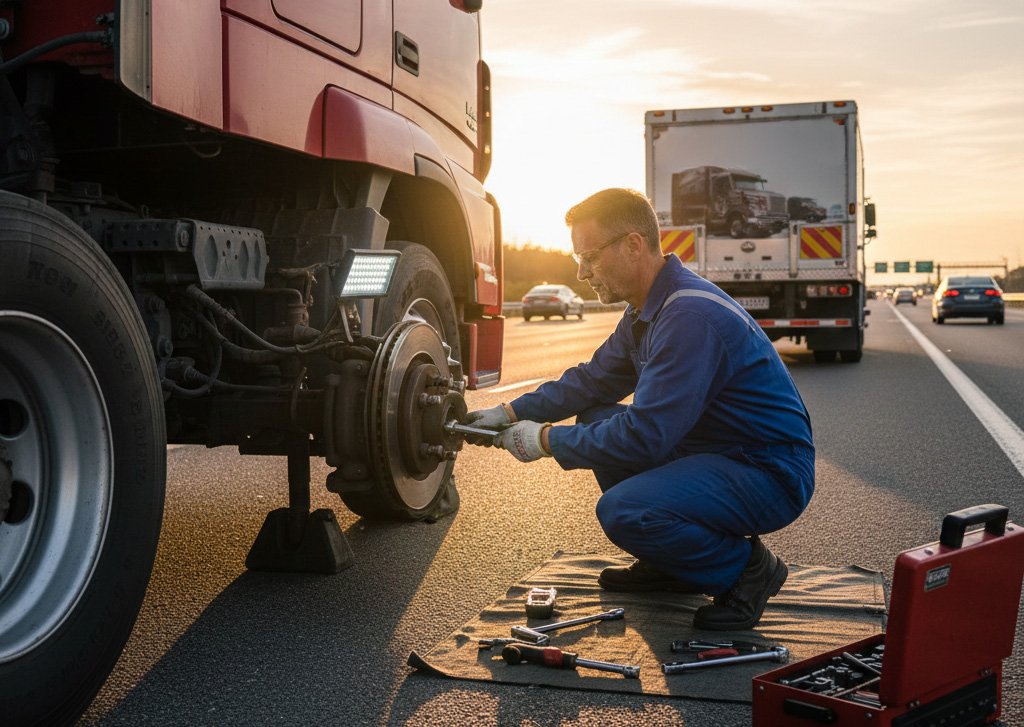
Keeping air brakes in top condition is one of the most important parts of running safely and staying compliant. When stopping distance increases, you smell hot brakes, or you notice uneven braking, it’s time to get your system inspected quickly especially if you’re on the road and can’t afford downtime. Truck N Trailer Roadside provides mobile brake repair service across Columbus & nearby areas that come to you, helping drivers and fleets get back on the road without the hassle of towing to a shop.
Why brake adjustment important on heavy-duty trucks?
Brake components on a tractor-trailer work under extreme loads and heat. Over time, normal wear changes the relationship between the pushrod stroke, slack adjuster position, drum/rotor surface, and lining thickness. If those relationships get out of spec, you can experience:
- Longer stopping distances
- Uneven braking or pulling to one side
- Excessive heat and faster component wear
- Out-of-service risk during inspections
- Higher chance of expensive secondary damage (drums, cams, chambers)
A proper inspection should include more than “tightening something up.” It should confirm air system integrity, ensure correct stroke, check for cracked drums, glazing, oil contamination, worn linings, and hardware issues.
How to adjust semi truck brakes?
Many drivers search semi truck brakes and adjustment procedures after they feel a change in stopping performance. But adjustments depend on the brake type and the condition of the hardware. Most modern highway tractors and trailers use automatic slack adjusters, and if those are out of stroke, the system may need repair—not repeated manual adjustment.
Here’s a high-level, safe approach professionals follow:
1) Secure the vehicle
- Park on level ground if possible
- Chock wheels
- Set parking brakes as appropriate for the inspection step
- Use proper PPE and follow shop/roadside safety procedures
2) Verify air system health
Before touching brake components, confirm the air system builds pressure normally, the governor cuts in/out properly, and there are no major air leaks. Low air pressure or leaks can mimic brake problems.
3) Measure pushrod stroke
Stroke measurement is the backbone of brake diagnostics. If stroke is excessive, you may have an adjustment issue, worn components, or a failing automatic slack adjuster. A tech will compare measured stroke to limits for the chamber type and configuration.
4) Inspect foundation brake hardware
A good roadside brake service checks for:
- Lining thickness and even wear
- Drum condition (cracks, heat checking, out-of-round)
- Camshaft bushings and S-cam wear
- Return springs and rollers
- Contamination from hub seal leaks
- Slack adjuster function and free play
5) Correct the root cause (not just the symptom)
If an automatic adjuster isn’t maintaining stroke, the fix is often replacing or servicing the adjuster, addressing worn bushings, or correcting installation and lubrication issues then verifying proper operation.
Semi truck brake adjustment: why “just adjust it” can be risky
If your truck or trailer has automatic slack adjusters, frequent manual tweaking may be a sign something is wrong. Over-adjustment can cause dragging brakes, overheating, and rapid lining wear. Under-adjustment can lead to poor stopping performance and violations during inspections.
That’s why a mobile tech’s process matters. The goal is to restore proper performance and confirm the brake system works correctly under real-world conditions. When drivers ask how to adjust semi truck brakes, the most accurate answer is often: verify stroke, inspect components, and repair the cause—not just the setting.
Roadside signs you need mobile brake repair
Call for on-site brake service if you notice:
- Grinding, squealing, or metal-on-metal sounds
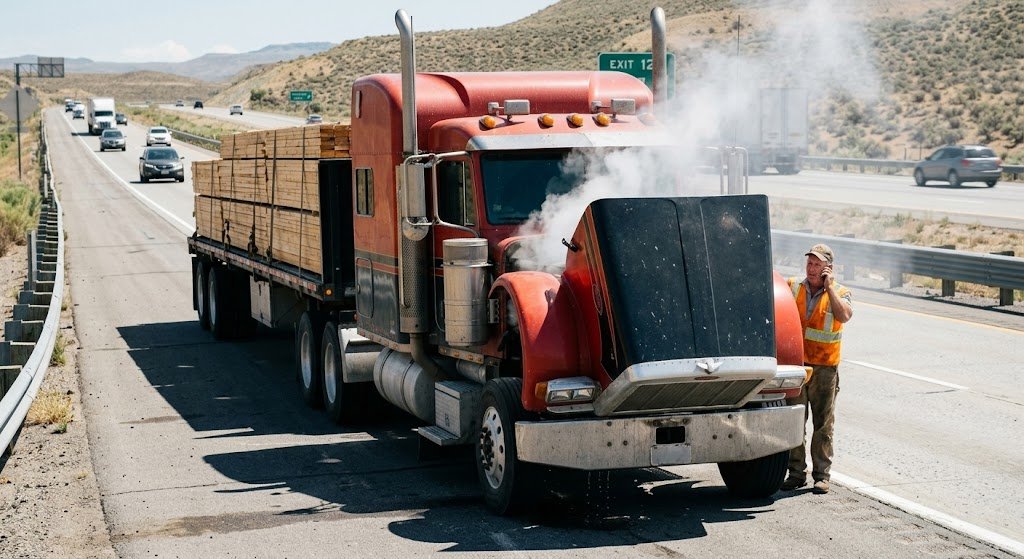
- Burning smell, smoke, or a hot hub/drum
- Brake warning lights, low air alarms, or pressure drop
- Pulling during braking or vibration
- Visible air leaks near chambers or lines
- You fail a quick stroke check during a walkaround
Truck N Trailer Roadside can dispatch a qualified technician to diagnose, repair, and test braking issues where you are helping reduce downtime and avoiding towing when possible.
What a mobile brake repair service can handle on-site
A capable mobile brake repair service can typically perform:
- Brake inspections and stroke checks
- Replacement of chambers (as needed)
- Slack adjuster replacement or correction (when required)
- Air line fittings and leak repairs
- Hardware and foundation brake repairs (depending on damage/access)
- System verification and safe-return checks
If damage is severe (e.g., extensive drum damage, multiple wheel-end failures), a tech will advise next steps and help you make the safest, most cost-effective decision.
How to adjust semi truck brakes: when to call a pro
If you’re asking how to adjust semi truck brakes because your stopping power feels off, you hear grinding, or you’ve got an air leak, it’s best to stop and get help. Mobile truck repair service reduces the risk of driving with compromised brakes and can prevent a small adjustment issue from turning into a costly wheel-end repair.
FAQs
Can I do semi truck brake adjustment myself?
Basic visual checks and awareness are good, but adjustment and diagnosis should be done by trained personnel with the right tools. Improper changes can create unsafe braking and compliance problems.
How do I know if my pushrod stroke is out of range?
The most reliable way is measuring stroke with the brakes applied and comparing it to the chamber’s allowable limits. If you’re unsure, a mobile technician can measure and document it.
Why would automatic slack adjusters need service?
They can fail from lack of lubrication, worn cam bushings, incorrect installation, seized components, or internal adjuster wear. If they’re not maintaining proper stroke, repair is needed.
What are common causes of uneven braking?
Uneven lining wear, contaminated shoes, out-of-round drums, weak chambers, air delivery issues, or mismatched components between axles can all contribute.
When should I call a mobile brake repair service instead of driving to a shop?
If you suspect reduced braking performance, notice heat/smoke, hear grinding, detect an air leak, or you’re concerned about passing an inspection, it’s safer to stop and get roadside service.