If you drive a Freightliner truck, you may see a warning about regeneration. Many drivers panic when this happens. But don’t worry. In this guide, you will learn what Freightliner Cascadia Regen means, why it happens, and how to do it safely.
This guide explains How to Force Regen Freightliner Cascadia in very simple steps. Even if you are new to trucking, you will understand it.
What is Regen in a Freightliner Cascadia?
Regen means cleaning the DPF (Diesel Particulate Filter). This filter traps soot from exhaust gases. Over time, soot builds up and must be burned off.
There are 3 types of regen:
- Passive Regen — Happens automatically while driving fast
- Active Regen — Truck injects fuel to burn soot
- Parked / Forced Regen — Driver starts regen manually
According to Cascadia driver manual info, regen burns soot into ash using very high exhaust temperature.
If regen does not happen, your truck may:
- Lose power
- Go into derate mode
- Stop running properly
Why Does Your Cascadia Need Forced Regen?
A truck may need forced regeneration when it is not able to naturally burn off soot from the exhaust system. This usually happens when the truck is driven only short distances, spends too much time idling, or is used mostly in city traffic where speeds stay low. When trucks do not reach proper exhaust temperatures, soot cannot burn naturally inside the DPF system. Ignoring regeneration warning lights also makes the problem worse over time because soot keeps building up until the truck forces a parked regen or enters derate mode.
Warning Signs Your Truck Needs Regen
There are several early warning signs that show your truck needs regeneration. You may notice the DPF warning light on the dashboard, reduced engine power, or high exhaust temperature alerts. Sometimes the truck will directly ask for a parked regeneration. These warning signs should never be ignored because small soot buildup can quickly turn into major DPF blockage, which can lead to expensive repairs and downtime.
Freightliner Cascadia Regen: Step-by-Step Guide
Important: Always park safely before doing this.
Step 1 — Park Safely
Park away from buildings, fuel pumps, and people. Exhaust gets extremely hot.
Step 2 — Set Truck Correctly
Make sure:
- Parking brakes ON
- Truck in Neutral
- Engine running
- No PTO running
Step 3 — Turn Off Engine Brake
Turn off Jake brake and cruise control.
Step 4 — Start Regen
Depending on model:
- Hold regen button for 5–10 seconds
OR - Use dashboard menu and confirm regen
Some trucks only allow regen when soot level is high.
Step 5 — Let Regen Finish
Regen can take:
- 20 minutes
- 45 minutes
- Sometimes longer
Never interrupt regen unless emergency.
Safety Rules During Regen
During regen:
- Do NOT park on dry grass
- Do NOT park near flammable materials
- Do NOT leave truck unattended
Exhaust temperatures can get extremely high during regen.
When Forced Regen Will NOT Work
Sometimes forced regeneration will not start even if you follow the correct steps. This usually happens if the truck has active engine fault codes, if the DPF is already too clogged, if sensors are not working properly, or if the truck’s software blocks manual regeneration for safety reasons. In these situations, the truck needs professional repair service. Many drivers with trucks from Freightliner experience this when maintenance is delayed or warning lights are ignored for too long.
Common Mistakes Drivers Make
Many drivers accidentally damage their DPF system by ignoring dashboard warning lights or cancelling regeneration before it finishes. Driving only short trips every day and idling for long hours also causes soot to build up faster. These habits reduce DPF life and increase repair costs. Understanding how regeneration works helps drivers avoid these expensive problems and keeps trucks running efficiently.
When to Call a Repair Service
You should call a truck repair service if regeneration fails multiple times, if the truck enters derate mode, if warning lights stay on even after regen, or if the truck starts losing engine power. These are serious warning signs that should not be ignored. At this stage, professional repair becomes important to prevent further engine or exhaust system damage, especially when dealing with advanced emission systems.
Why Preventive Maintenance Matters
Regular maintenance plays a huge role in reducing regeneration problems. Changing air filters on time helps airflow stay strong, checking sensors ensures accurate readings, inspecting the exhaust system prevents leaks or blockages, and using good quality fuel reduces soot formation. Preventive maintenance always costs less than emergency repair and helps trucks stay on the road longer without breakdowns.
How Mobile Truck Repair Helps Drivers
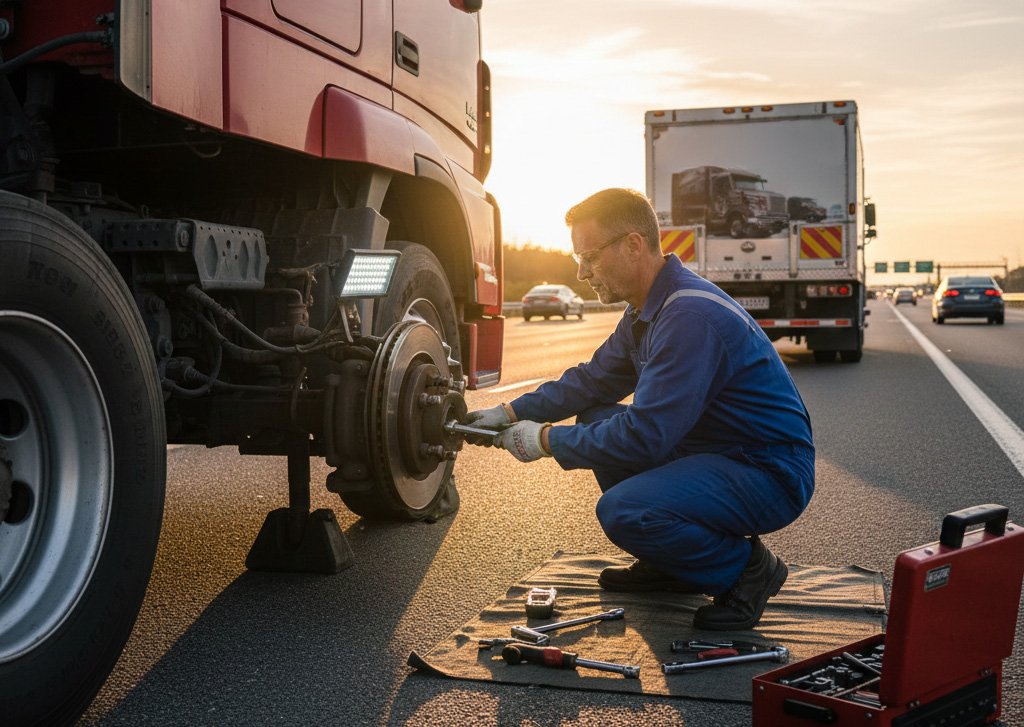
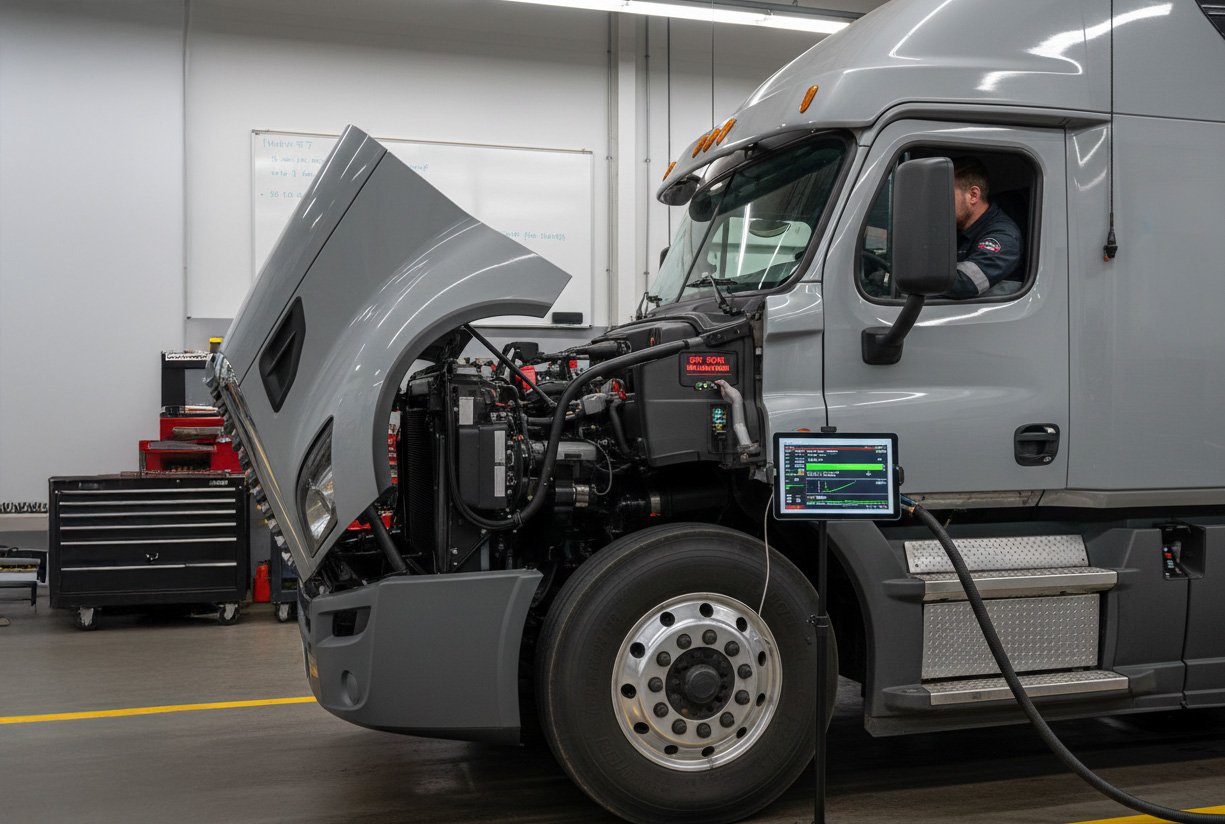
If regeneration fails while you are on the road, roadside repair becomes very important. Mobile truck repair experts can perform diagnostics, inspect the DPF system, test sensors, and help complete regeneration if needed. Mobile repair services help drivers avoid towing costs and long waiting times. This is especially useful for drivers operating around Columbus, where fast roadside service can save hours of downtime.
Why Choose Truck N Trailer Roadside
At Truck N Trailer Roadside, we provide full roadside and on-location repair support, including Mobile Truck Repair Service Across Columbus OH and complete Freightliner Cascadia truck diagnostics and repair support. Our goal is to help drivers stay moving and avoid long repair delays.
Why Drivers Choose Mobile Repair
Many drivers prefer mobile repair because help arrives faster, downtime is reduced, and diagnostics can be done directly on the road. Mobile Truck Repair Service also reduces expensive towing costs and allows drivers to get back on schedule quickly. For owner-operators and fleets, mobile repair services provide a reliable solution during roadside emergencies.
Final Thoughts
Understanding regen saves money and prevents breakdowns. If your truck asks for regen, don’t ignore it. Learn how your truck works and maintain it properly.
If regen fails or truck shows serious warnings, & your truck is stuck, don’t risk expensive repairs. Our team provides fast roadside support and diagnostics. Whether you need DPF help or engine repair, we are ready 24/7. Call us on 614-423-6164 for Mobile Truck Repair Service and expert Cascadia diagnostics.
FAQs
How do I start a parked regen on a Freightliner Cascadia?
Park in a safe open spot, set parking brake ON, put truck in Neutral, keep engine running, make sure PTO is OFF, then hold the Regen button 5–10 seconds or follow the dash menu to start.
Where is the regen button on a Freightliner Cascadia?
It’s usually on the dash panel near other switches. It may say “Regen”, “DPF”, or show an icon that looks like exhaust/heat. Some models use the steering wheel menu instead.
How long does a parked regen take on a Cascadia?
Most times 20 to 60 minutes. If the soot level is high, it can take longer.
Why won’t my Freightliner Cascadia start a parked regen?
Common reasons: check engine/fault codes, DPF too clogged, low fuel, engine too cold, parking brake not set, truck not in Neutral, hood open, or sensors not working.
Can I force regen with a check engine light on?
Sometimes no. If the truck has certain fault codes, it will block regen for safety. You may need a diagnostic scan first.
What does the DPF light mean on a Freightliner Cascadia?
It means the DPF is filling with soot and the truck needs a regen soon. If you ignore it, the truck can lose power.
What soot level is needed to start a parked regen?
It depends on the truck, but usually the truck allows parked regen when soot is high enough. If soot is too low, it may not start. If soot is too high, it may not start either and may need service.
Can too much idling cause DPF problems on Cascadia trucks?
Yes. Idling keeps exhaust temps low, so soot doesn’t burn off. This makes the DPF fill faster.
Will a forced regen fix derate mode on a Freightliner?
Sometimes. If derate is only from soot buildup, a successful regen may help. But if there are fault codes or a clogged DPF, regen may not fix it.
What should I do if regen keeps failing after I follow the steps?
Don’t keep trying over and over. Check for fault codes, look for warning lights, and get professional diagnostics. A bad sensor or clogged DPF can get worse if ignored.